Names in a Ledger: Cowling Between the Wars Through the 1921 Census
Photo: 1921 census handwritten ledger document close up, via coin-identifier.com
Census night was 19 June 1921. Across Britain, householders filled in forms and enumerators walked their rounds. In Cowling, the result was a ledger of names, ages, births and jobs — a snapshot of village life between the First World War and the upheavals of the later twentieth century. The returns were closed for a century and opened in 2022. In 2026, they are 105 years old, old enough to feel like history and recent enough to connect with family memories.
What makes the 1921 census so useful for local history is its detail. It records names, relationships, ages, marital status and places of birth. It also asks about occupation, employer and place of work. For children under fifteen, there are questions about parental survival. The answers are brief, often cramped into a narrow column, but they allow us to rebuild households street by street and farm by farm.
One night, every household
A census is a strange kind of document. It is bureaucratic, repetitive and full of abbreviations. Yet it is also intimate. A single line might read 'weaver, worsted mill' or 'farmer, own account'. Another might say 'school, whole time' or 'domestic duties'. Together, these lines show how a village worked.
For Cowling, the returns reveal a place that was still deeply connected to textiles and farming. Mill wages and farm work existed side by side. Some households were large, with lodgers, visitors and servants. Others were small, perhaps a widow and two children, or an elderly couple with a grandchild. The census does not explain why people lived as they did, but it gives us the cast list.
Streets, farms and the shape of the village
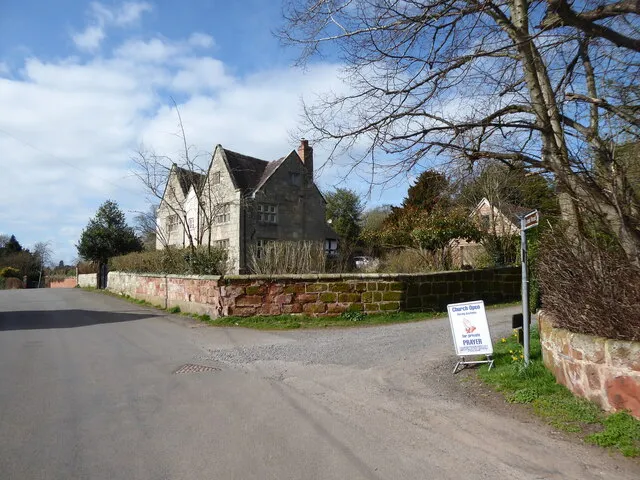
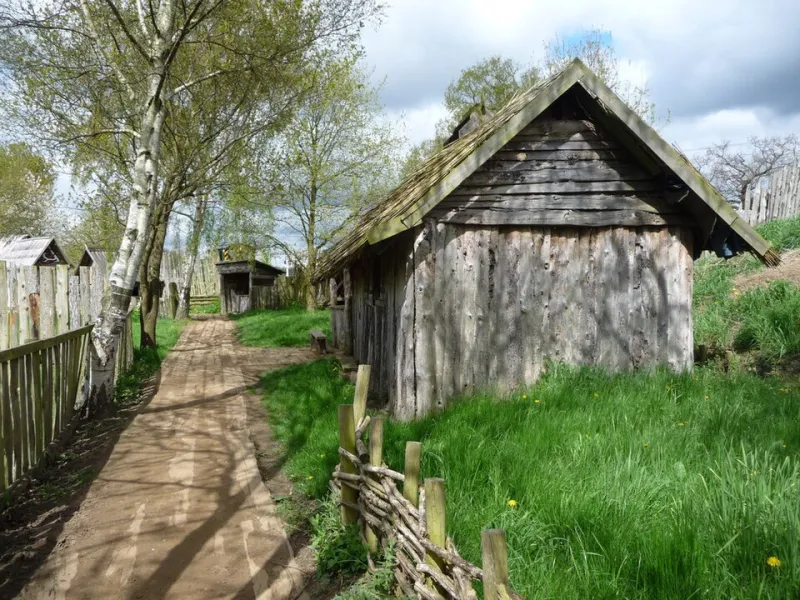
Reading the returns address by address is like walking the village in your head. The main road, the lanes and the outlying farms each have their own pattern. In the village centre, households might be packed closely together, with shopkeepers living above their premises and mill workers renting rooms. Further out, farmsteads stood alone, their households often including servants or relatives who worked on the land.
The census also shows how people moved. A place of birth far from Cowling might indicate a family drawn in by mill work. A household of Yorkshire-born residents might suggest a family that had stayed for generations. These small details help us understand migration without needing a dramatic story. People came for work, marriage or family, just as they do now.
Mills, farms and the trades in between
The occupations are the heart of the census for many local historians. Look for weavers, spinners, tacklers, warp dressers, overlookers and mill hands. Look for farm servants, milkers, carters and general labourers. Then look for the trades that kept the village running: grocers, drapers, butchers, shoemakers, dressmakers, joiners, blacksmiths. Each occupation is a tiny window into the economy of the village.
The 1921 census is particularly helpful because it records employer and workplace. That means you can sometimes tell whether a worker was employed at a named mill, by a farmer, or in a shop. It also shows how many people worked 'at home' or were self-employed. For women, the census captures domestic work, textile work and shop work, though the language of the time often makes their labour sound smaller than it was.
Schoolchildren, lodgers and small secrets
The census can hint at things families did not always discuss. A child listed with grandparents might have lost a parent. A lodger might be a relative, a worker, or someone passing through. A visitor on census night might be a sweetheart, a nurse, or a distant cousin. These are not secrets in the sensational sense. They are the ordinary arrangements that held households together.
The questions about parental survival are especially poignant. They remind us that the First World War was still a recent wound in 1921. Some children had lost fathers; some had lost mothers. The census does not record grief, but it records its practical shape: who was left to raise whom, and how households adapted.
Reading the ledger with care
A census is a snapshot, not a story. Occupations are abbreviated, addresses can be unclear, and handwriting can mislead. A 'weaver' might have been out of work; a 'farmer' might have had a few acres or a hundred. The returns should be read alongside maps, trade directories, school records, photographs and family memories. That is where the names begin to breathe.
It also helps to compare 1921 with the 1911 census and the 1939 Register. You can see children grow up, households shrink, occupations change and older relatives move in. Patterns emerge: a mill family sending a daughter into service, a farm family taking in a lodger, a shopkeeper's son choosing a different trade.
Why it still matters in 2026
The 1921 census is more than a list of names. It is a portrait of Cowling between the wars, when the village was still tied to the mill and the field, but already changing. The ledger records ordinary people who rarely made the newspapers. It gives them addresses, jobs and households. It lets us see the village as they lived it — crowded, practical, neighbourly and sometimes complicated.
If you have Cowling ancestors in the returns, the census is a starting point rather than a finish line. Follow the names, check the maps, and ask what the records leave out. The ledger is dry and official, but the lives inside it were anything but.