Last Orders in Cowling: A Walk Through the Village's Vanished Taprooms
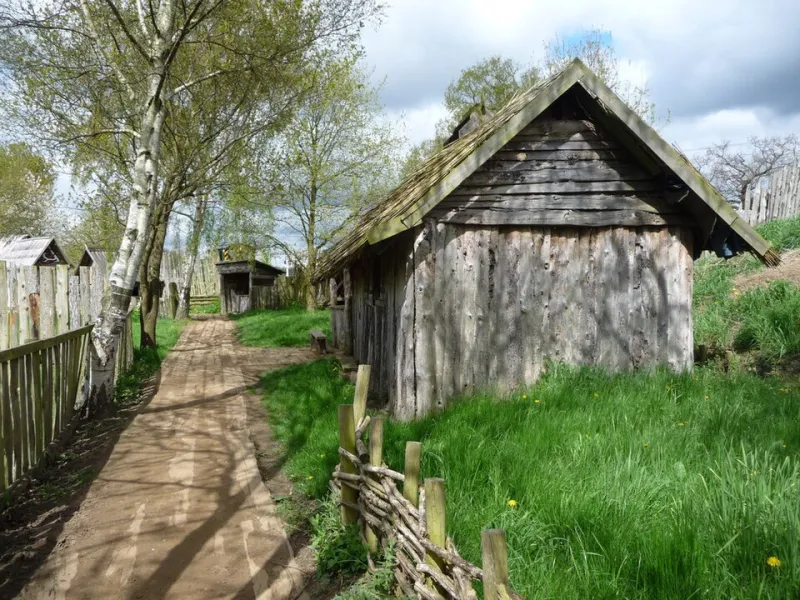
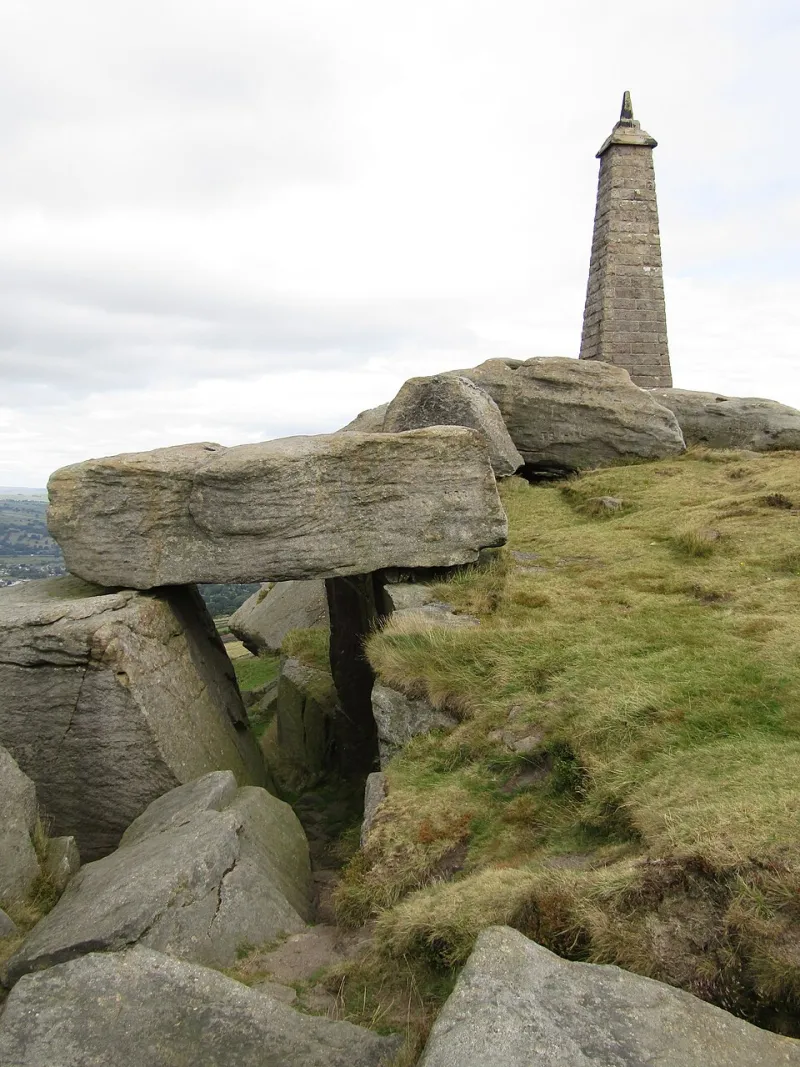
Photo: Christine Johnstone , CC BY-SA 2.0, via Wikimedia Commons
Stand on Cowling Brow on a quiet evening in 2026 and you will hear more wind than laughter. Yet for generations of villagers, the walk home from work often ended at a door with a painted sign, a smoky taproom and a landlord who knew exactly how you took your ale. Cowling's drinking landscape was never grand. It was small, scattered and stubbornly local — and that is precisely why it still lingers in family stories.
The farmhouse pour
Long before neat pubs lined the main road, Cowling's first watering holes were often farmhouse kitchens. A farmer with a spare room, a good well and a licence could sell ale to travellers and neighbours alike. These were not destinations in the modern sense. They were working places: boots by the door, cheese on the table, and a jug passed round after haymaking.
Licence records hint at a patchwork of these small operations. Some were little more than a bench and a barrel; others grew into proper beerhouses with a name board and a stable for a horse. The old terms matter. A beerhouse could sell beer but not spirits, which kept many village premises modest. A full public-house licence was a step up — and often a source of quiet rivalry.
Oral memories collected around Cowling often mention the same handful of names: the Black Bull, the Cross Keys, the Wheat Sheaf, the Old Star. Some may have been short-lived. Some changed hands so often that the sign seemed to creak with exhaustion. What matters is not a neat list but the pattern: drinking was woven into the working day, and the line between a farm, a shop and a tavern was often thin.
When the temperance hall squared up
Cowling was not short of people who thought the village had one taproom too many. Temperance campaigners argued that beerhouses drained wages and filled the petty sessions with trouble. Their answer was the temperance hall: a place of tea, lectures, concerts and self-improvement, designed to rival the pull of the bar.
The hall was not simply a killjoy's project. It gave villagers another kind of room — one where a family could gather without spending a week's wages, where travelling speakers could hold forth, and where the young could meet under a watchful eye. In some years the social calendar of the temperance movement was as busy as any pub's. Whist drives, cocoa suppers and lantern lectures all had their devotees.
Yet the old rivalry was never quite clean-cut. The same families might appear in both camps: a grandfather at the bar on Saturday, a granddaughter at the temperance tea on Sunday. Village life rarely sorted itself into neat sides. What the temperance hall really reveals is how seriously Cowling took the question of what community space should be for.
Landlords, licences and last orders
Every vanished pub has a landlord story. There was the widow who kept the place going after her husband died, the former mill worker who took over a beerhouse and found the hours longer than any shift, the couple who ran a pub and a shop from the same front room. Licensing records are dry on the surface — names, dates, transfers, objections — but read between the lines and you find ambition, debt and occasionally a sharp word from a neighbour.
Magistrates at the petty sessions could be strict. A licence might be refused for want of proper accommodation, for disorderly conduct, or for a premises that had fallen into disrepair. Improvements cost money. A new urinal, a better taproom, a safer cellar: all had to be weighed against the price of a pint. Many village pubs closed not with a dramatic last night but with a quiet transfer, a failed application, or a landlord who simply had enough.
Between the wars, and again in the decades after 1945, the economics shifted. Cars made it easier to drink further afield. Breweries consolidated. Young people moved away. The village pub had to compete with the bus to Keighley, the television at home and the rising cost of maintaining an old stone building. Some survived by becoming food pubs; others became houses, garages or simply gaps in the street line.
Ghosts at the bar
What remains of Cowling's lost pubs? Sometimes a stone lintel. Sometimes a name in a deed. Often just a photograph of a group outside a door, pints in hand, squinting into the sun. These images are not sentimental decoration. They show who was included — and who was not. The pub was a meeting place, but it was also a place of rules: opening hours, age limits, local hierarchies, the unwritten geography of who stood where.
In 2026, the village's remaining social spaces carry that history lightly. A quiz night, a coffee morning, a charity raffle: each owes something to the old taprooms and temperance halls that taught Cowling how to gather. The buildings may be gone, but the habit of community is not. Next time you pass a converted pub or a walled-up doorway, listen for the last orders. They are still there, just quieter now.