The Bell That Called a Generation: Cowling's Old School on the Hill
Every village keeps its school stories. In Cowling, many of them begin with a bell. Not a grand church bell, but the sharp, practical ring that called children in from the playground and sent them home again. The old school on the hill was never just a building. It was a daily rhythm, a set of remembered faces and a place where the wider world arrived in small doses: an inspection, a war, a new syllabus, a letter from a former pupil.
A school above the rooftops
The site itself tells you something. A school on a hill sits above the village, visible from the lanes and the mill roofs, yet close enough that children could run home for dinner. In winter the wind would find the playground. In summer the windows would be opened and the sounds of the village would drift in — a cart, a dog, a distant train.
Logbooks from village schools are rarely dramatic. They record attendance, weather, visits, illnesses and the occasional incident. But they also reveal how tightly school life was bound to the seasons. Harvest could empty a classroom. Snow could keep children at home. An outbreak of measles or scarlet fever could close the doors altogether. The school was not separate from Cowling; it was Cowling in miniature.
Church inspection reports add another layer. They comment on religious instruction, discipline, the state of the building, the supply of books. Sometimes they praise; sometimes they bristle. A headteacher might be commended for order and then criticised for the poor condition of the cloakroom. These reports remind us that village education was inspected, argued over and paid for by people who had strong views about what children should learn.
Lessons, inspections and the three Rs
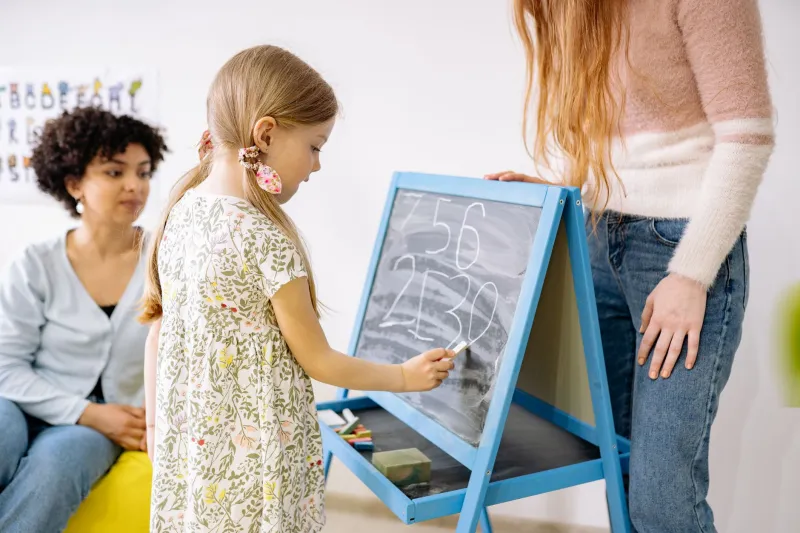
Class photographs show the same story in a different key. Rows of children in pinafores and jackets, some grinning, some solemn, a teacher at the edge with a chalkboard behind. The curriculum was practical: reading, writing, arithmetic, scripture, drill, nature study, perhaps cookery or woodwork for the older pupils. The three Rs were not a slogan but a daily grind — slates, copybooks, spelling tests and mental arithmetic.
Former pupils often remember the small things more vividly than the syllabus. A teacher's sharp voice. The smell of chalk. The cold of the classroom before the stove was lit. The pride of a clean page. The shame of a mistake. School was where village children learned how to sit still, queue, take turns and face an inspector without fidgeting.
For some, school was a ladder. For others, it was a waiting room before work. The eleven-plus cast a long shadow in the mid-twentieth century, sorting children into different futures. Families watched the results with hope and anxiety. The village school could open doors, but it could also remind everyone that opportunity was unevenly distributed.
Wartime on the hill
War touched the school in ways both large and small. Evacuees arrived from cities and had to be fitted into classrooms already full. Air-raid drills interrupted lessons. Blackout curtains changed the look of the windows. Teachers left for service, and older pupils followed them into the forces or into war work. The logbook might simply record a change of staff or a half-day holiday, but behind the neat entries were families waiting for news.
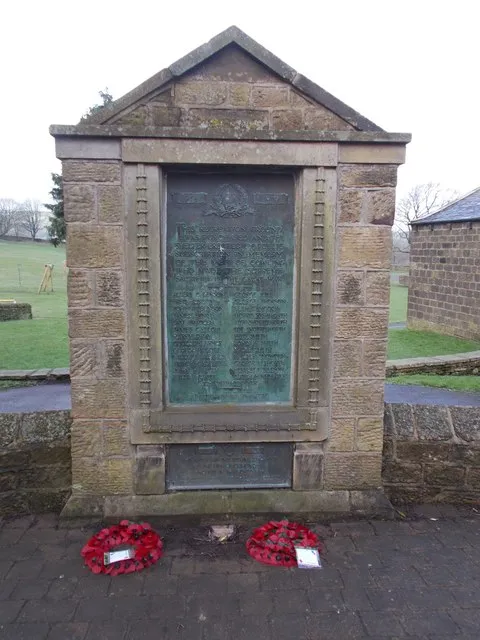
The school also became a place of remembrance. Children collected salvage, knitted comforts, followed maps of distant battles. Assemblies took on a solemn tone. After the war, the school helped carry memory forward — not always with grand monuments, but with the ordinary rituals of a village that had lost people it knew.
The bell and the playground
The playground had its own curriculum. Marbles, hopscotch, skipping, whip and top, games with complicated local rules that were passed down from class to class. Friendships were made and broken there. Bullies were tolerated or challenged. The bell ended the freedom and began the order.
Former pupils remember the bell as a character in its own right. It marked the start of the day, the end of play, the return after dinner. In a village where many families worked close by, the school bell was part of the soundscape, as familiar as the mill whistle or the church clock. When it fell silent — for holidays, for illness, for closure — the hill felt different.
What the logbooks leave out
Logbooks and inspection reports are valuable, but they are not the whole story. They rarely record the jokes, the kindnesses, the friendships that lasted decades. They do not capture the child who was good at drawing but poor at sums, or the teacher who stayed late to help. That is why memories matter. Every class photograph is a prompt: who was that boy in the back row? What happened to the girl holding the slate? What did the school give them that lasted?
In 2026, the old school on the hill survives mainly in photographs, documents and the recollections of those who sat in its rooms. It deserves to be remembered not as a sentimental set of desks and inkwells, but as a real place where Cowling's children learned, quarrelled, played and grew up. The bell may no longer ring, but its echo is still part of the village.