The Men Behind the Letters: Cowling's War Memorial and Its Stories
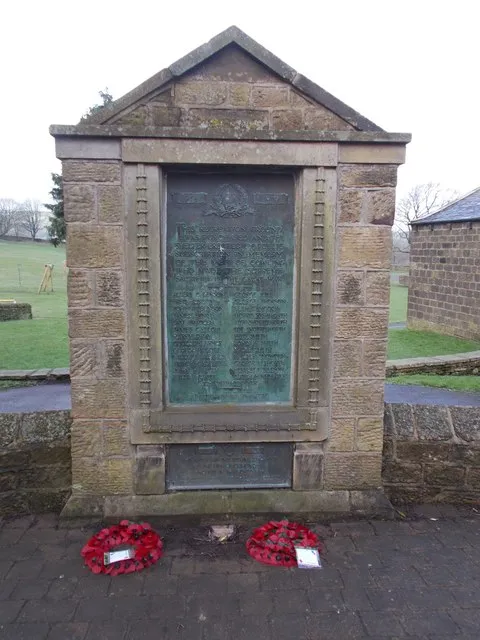
Photo: Betty Longbottom , CC BY-SA 2.0, via Wikimedia Commons
Remembrance Sunday 2026 falls on 8 November. In Cowling, as in villages across the country, people will gather around the war memorial, stand in silence, and read names that have been carved into stone for generations. It is a familiar ritual. But familiarity can soften the edges of a name. The letters are clear enough; the lives behind them are not.
More than a list of names
A war memorial is often described as a list, but that is the least interesting thing about it. It is better understood as a set of doorways. Each name opens onto a family, a street, a workplace, a school, a set of photographs and a bundle of letters. Parish records can tell us where a man was born and where he lived. Census returns can tell us what he did for a living. Local newspaper reports can tell us how the village heard the news. Cemetery inscriptions and family memories can fill in the rest.
This article is not an attempt to write the final word on Cowling's memorial. It is an invitation to read it more slowly. Rather than printing a full roll-call today, we want to look at the kinds of lives the memorial represents, and then ask families to help us add the detail that only they can provide.
Three lives, three doorways
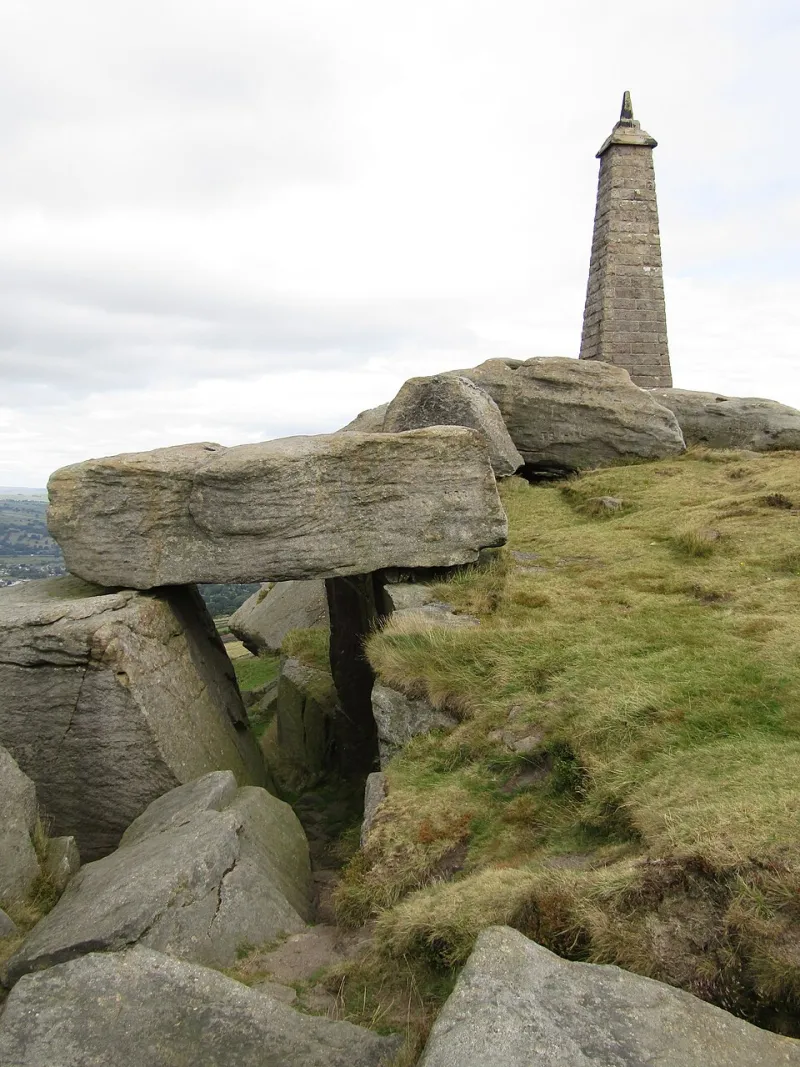
Take the case of a young man from the mill cottages. He would have grown up within sight of the crag, perhaps leaving school at fourteen and going into the mill or onto a farm. His name on the memorial is a summary of a life that was probably busy, local and largely unrecorded. The parish register may give his baptism; the census may give his occupation; a newspaper may give a date. What it cannot give is the sound of his voice or the way his family remembered him.
Then there is the farmer's son from the edge of the moor. His story might be traced through land records and family gravestones. He may have been one of many young men who left the village for training and never came back. The memorial records him among his neighbours, which is itself a kind of history. Villages like Cowling lost men from different backgrounds, and the stone does not rank them.
And there is the man who had already moved away. His name may still be on the memorial because Cowling was home, or because his family was still here. These are the names that often need the most work. They remind us that remembrance is not only about people who stayed. It is also about people who left and were still claimed by the place they came from.
What the records can tell us
Local history is rarely a matter of one dramatic discovery. It is usually a slow accumulation of small facts: a date in a register, a photograph with a name on the back, a cutting from a newspaper, a medal in a drawer. The Cowling History archive is built on exactly that kind of material. We are keen to hear from anyone who has photographs, letters, postcards or family stories connected to the memorial.
We are also aware of the limits of what we can say. Some records are missing. Some names are common. Some families understandably want privacy. That is why this is a collaborative project rather than a finished article. If you can correct a detail, add a photograph or identify a face, you are helping to build the village's book of remembrance.
A village remembers
On 8 November, the village will do what villages do. People will gather. Words will be said. A silence will be kept. The names will be read or looked at, and then everyone will go home. The test of remembrance is what happens after that. A memorial is not only a place for one Sunday in November. It is a prompt to ask who these men were, what their families went through, and how a small village carried its losses.
If you have something to share, please get in touch with Cowling History. A photograph, a letter, a memory or a correction is all useful. The names on the stone have waited a long time for their stories to be told properly. They deserve more than a passing glance.