Lanterns at the Gate: Remembering Cowling's Christmas Carol Round
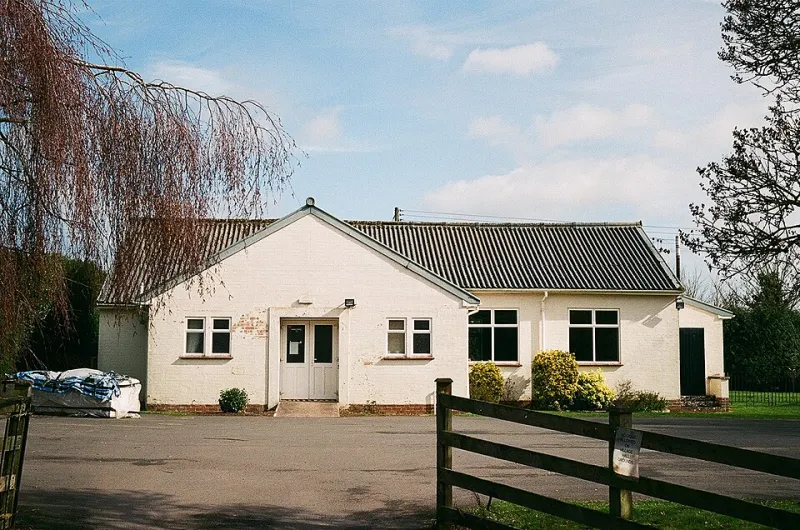
Photo: John Winder, CC BY-SA 2.0, via Wikimedia Commons
December in Cowling has a sound of its own. Long before the lights go up in the windows there is the business of the dark: the lane going black by half past four, frost already sitting in the ruts, and then, somewhere below the house, a first line of carol arriving out of step with itself.
That is the carol round. Not a concert and not a service, but a party of singers working its way from door to door with a hand-written sheet and a torch, doing a route that has been walked for longer than anyone can properly remember.
Every Party Had Its Patch
Carol parties came out of the chapels, the school and the band, and later from groups of friends who had been doing it since they were children. Each had its own ground. The chapel party took the top end and the houses along the main road; the farm lads did the lanes and the outlying places where a gate had to be opened and a dog shouted down before anyone would come to the door.
The rules were unwritten but firm. You did your own lane first. You did not cut across another party's round. If you met one coming the other way you sang a verse together, passed the time of day and went on, because there was still a long way to go and the cocoa would be cold.
The Sheets in the Torchlight
Nobody carried music. The words were on a sheet of lined paper that had been copied out by hand, then copied again, and then copied a third time because the second copy had been left in a coat pocket and gone through the wash. By December the sheet was soft as cloth, with a torch shone on it at every gate.
In these parts While Shepherds Watched is sung to Cranbrook, the tune more usually whistled for Ilkley Moor. Sing it in Cowling and nobody needs the dots. Alongside it went the usual round: Hark the Herald, O Come All Ye Faithful, Away in a Manger for the houses with children, and, for the houses that asked for it, the local bell carol that everybody knew and nobody could name.
There was always one carol saved for one particular house. Every party had a house like that, and every party knew exactly which verse to start on.
What Came Over the Wall
At the door the etiquette was simple and strictly kept. Wipe your feet. Do not lean on the door frame. Sing the two verses, take what you are offered, say thank you and go, because there are six more houses on this lane and the frost is coming down.
What you were offered depended on the house. Mince pies, usually, though the pastry varied. Cocoa in a mug that had to be given back. Sherry for the grown-ups who were not driving, which in the days before cars meant most of them. Oranges, in one or two houses, which the younger singers thought a poor swap and the older ones thought sensible. And coins: a few pence pressed into the hand of whoever was carrying the tin, with a word about what it was for. Chapel funds. The school trip. The Christmas party for the children. The tin was counted at the end of the night and the total was always announced, and always slightly exaggerated.
The Long Walk Back
The last stretch home was the best and the coldest. Torches were dying, boots were wet through, and somebody was always still singing, half a verse behind the rest. The takings were counted under a street lamp or a kitchen light. The last gate was shut. Then boots off in the porch, cocoa on the stove, and a mother asking which houses you had got to and whether you had seen anyone at the top end.
The Voices That Have Gone Quiet
A carol round is a list of houses, but it is also a list of names. The man who always started too low and had to be nudged up. The woman who could hold the alto line on her own and did, loudly, whether or not anyone joined her. The family who moved away. The people who used to stand at the door with the light on and now have the light on for someone else.
In a village this size you notice the gaps. That is part of what the round is for. Some parties still stop at the doors of those who cannot get out to a service, sing two verses in the porch and go on, and that is the oldest part of the custom by a long way. Long before anybody wrote the carols down, the singing at the door was how a community told itself who was still there and who was missed.
Send Us Your Round
We would like to build a record of Cowling's carol rounds: the routes, the sheets, the carols, the houses that always asked for the same verse. If you have a photograph of a party, a copy of the words in somebody's handwriting, or a memory of a night when the snow came down and the singing went on anyway, we would love to hear from you. The best local history is the sort that is still going on.