The Clatter Before the Mills: Cowling’s Handloom Weavers and a Trade That Slid Away
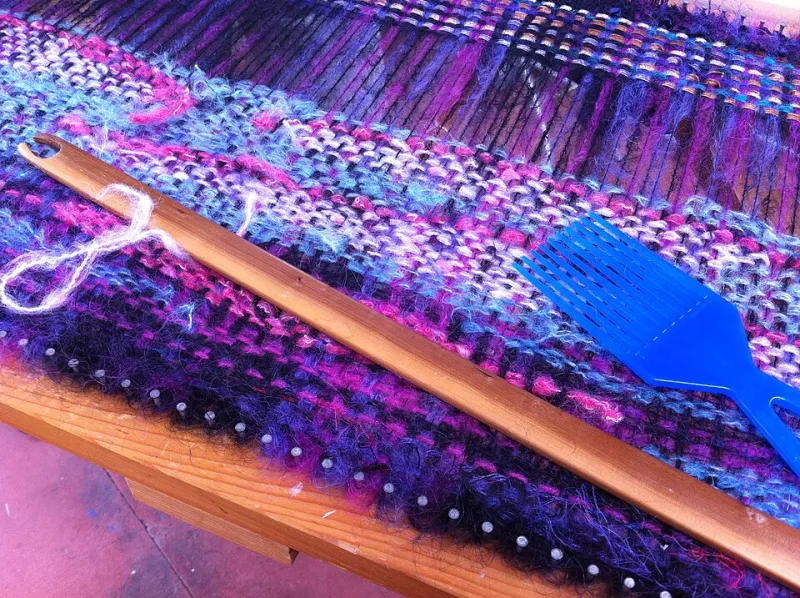
Photo: A J Paxton , CC BY-SA 2.0, via Wikimedia Commons
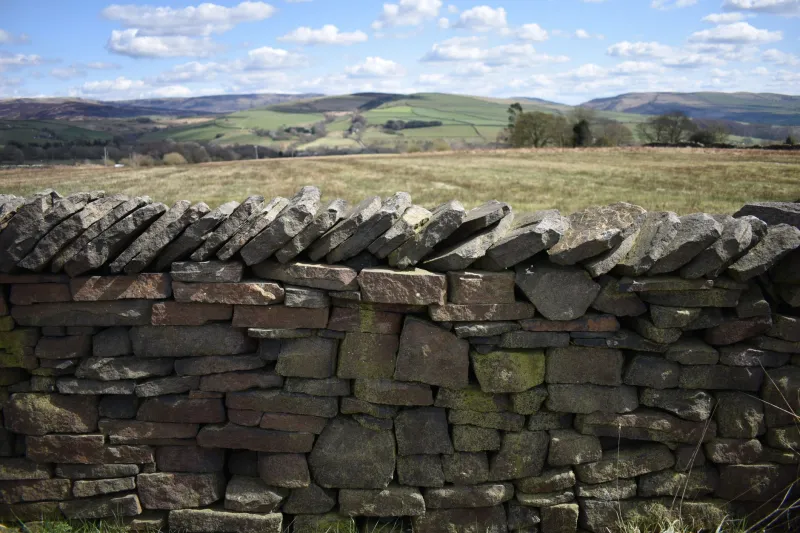
Walk through the older parts of Cowling today and the village keeps its secrets close. Stone walls, low doorways, steep stairs and the occasional long upper window give little away. Yet those upper rooms were once workplaces. Before the mills gathered everyone under one roof, much of the village’s textile trade was carried on at home, room by room, family by family, with the clatter of a handloom setting the rhythm of the day.
A Room Built for Noise
The handloom weaver’s workplace was rarely a grand affair. It might be a back room, a cellar, or more often an upper floor reached by a narrow stone stair. The giveaway, if you know what to look for, is light. Weavers needed steady daylight for the warp and weft, so loom shops tended to have long windows set into the wall, sometimes several of them, catching the sun across the working day. Not every old long window in Cowling was a loom-shop window, of course. Some lit a workshop of another kind, a store, or a domestic room. But the pattern is there in the older fabric of the village, waiting to be read.
Inside, the room would have been crowded and practical. A loom takes up space. There were beams, treadles, heddles, a shuttle, and the finished cloth rolled carefully away. There was also dust, oil, and the particular smell of wool and sizing. It was not a romantic cottage industry in the way later generations sometimes imagine. It was work: repetitive, skilled, cold in winter, close in summer, and paid by the piece.
Worsted, Piecework and the Family Wage
Cowling sat within the great West Riding textile district, and the trade that shaped its households was worsted weaving. Yarn came in from merchants or putters-out; finished pieces went back to be weighed, examined and paid for. The weaver did not usually sell directly to a passing customer. The system tied the home to a wider network of warehouses, travellers and credit.
The family was the workforce. A man might sit at the loom, while his wife or daughters wound bobbins and helped prepare the yarn. Children were drawn in early, as children often were in textile districts, doing the smaller jobs that kept the loom going. Everyone’s time had a value, even if the payment landed in one pair of hands. A good week depended on the weather, the quality of the yarn, the demands of the merchant and the health of the family. A bad piece could mean an argument over payment. A bad season could mean hunger.
This was the economy that filled Cowling’s back rooms. It was domestic, but it was not isolated. The village was connected by cart tracks, footpaths and market days to Keighley, Colne, Halifax and the wider worsted trade. The clatter of a loom in a Cowling upper room was part of a much larger sound.
The Long Goodbye
The mills did not arrive overnight and silence every loom in a single year. The change was slower and more uneven than that. Power looms and factory production grew through the nineteenth century, drawing work away from the cottage and into buildings with engines, managers and clocks. For many families, the mill offered a more regular wage, even if it came with strict hours and a very different rhythm of life. The walk to work replaced the walk downstairs.
But handloom weaving did not vanish all at once. Some weavers held on in specialised work, or during slacks and strikes, or because they were too old, too proud or too rooted to change. Looms were kept in back rooms long after the mills had become the main employer. Then, gradually, they were sold, dismantled, or broken up for wood. The room that had once shaken with the shuttle became a bedroom, a store, or simply a space where the family kept things it could not bear to throw away.
The end of the trade was not marked by a plaque or a ceremony. It happened in ordinary ways: a loom standing idle, a merchant sending no more yarn, a younger generation choosing mill work, a family moving away. That is how most trades disappear, not with a bang but with a quiet rearrangement of daily life.
What the Village Still Keeps
What remains of Cowling’s handloom weavers is fragmentary but real. Census returns list occupations that modern readers sometimes skim past: weaver, worsted weaver, loom weaver, winder, piecer. Older photographs show long windows and stone stairs without explaining them. Oral history, where it survives, remembers a grandparent’s loom or a room that was always called the loom shop. The surnames that recur in the village’s records carry the trade in their family stories, even when the loom itself has long gone.
There is also the landscape of the village itself. The density of older cottages, the back rooms, the upper floors, the narrow lanes and the short walk to where mills later stood: all of it tells a story of work done close to home. Cowling was not simply a pretty village that happened to have textiles. Its houses, families and routines were shaped by the trade.
The Sound That Isn’t There
In 2026, the back rooms of Cowling are quiet. Traffic passes, doors close, and the village gets on with modern life. But local history is often a matter of listening for what has gone. The handloom weavers left no grand monuments. They left windows, worn stairs, surnames, census entries and a few half-remembered family tales. They also left a lesson about how quickly a familiar sound can become silence.
If you have a photograph of an old loom shop, a family memory of weaving in Cowling, or a name that keeps appearing in the old records, Cowling History would like to hear it. The trade may have slid away, but the village can still piece its story together, thread by thread.