Flour on the Step: The Shared Ovens That Set Cowling's Week
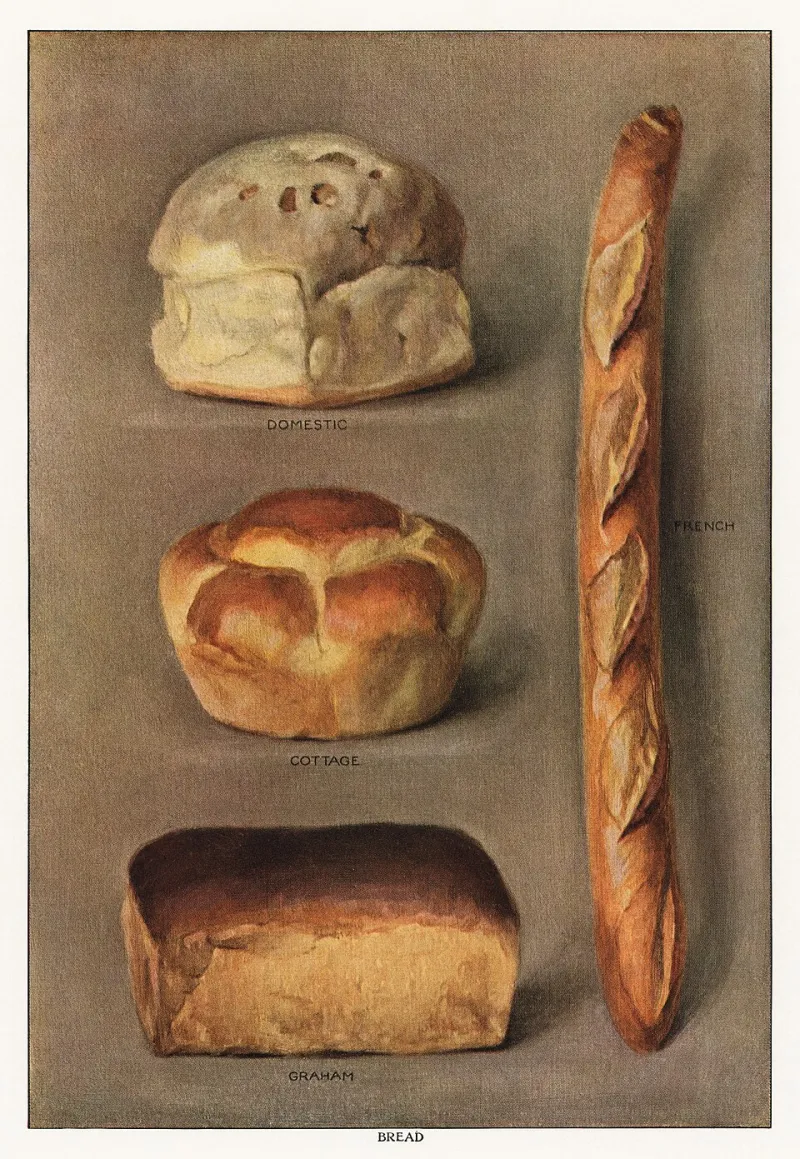
Photo: Rawpixel, CC BY-SA 4.0, via Wikimedia Commons
There is a particular smell that older villagers can still conjure if you ask them: warm flour, yeast, a hint of scorched tin and the clean, dry heat of a stone oven. It is the smell of baking day. In Cowling, as in so many moorland communities, bread was never just food. It was a timetable, a favour, a small piece of neighbourliness wrapped in a cloth and carried down the lane.
Before the age of the weekly shop, baking shaped the rhythm of the village. Not every cottage had an oven you could trust, and not every household had the fuel to heat one. So the bakehouse — or a neighbour's reliable range — became a quiet hub. People arrived with dough set overnight, tins balanced on boards, and a bit of news to exchange while they waited.
When the Bakehouse Was a Meeting Place
The communal bakehouse was not a shop. It was more practical than that, and more social. A batch of dough would be prepared at home, covered with a clean cloth, and carried to the oven once it had been fired. The waiting was part of the ritual. Children were sent with trays and strict instructions not to tip them. Adults stood about, comparing loaves, complaining about the price of flour, and keeping an eye on whose bread was browning first.
Some families marked their tins with a scratched initial or a twist of dough on top. In a room full of similar-looking loaves, you needed to know which was yours. The bakehouse also made good use of the heat after the bread came out. Pies, parkin, tea cakes or a tray of something sweet might go in while the oven was still willing. Nothing was wasted, least of all the warmth.
Then there was the barm. In villages close to a brewery, barm — the frothy yeast skimmed from fermenting beer — was a precious thing. A jug might be fetched from a neighbour who had some to spare, or a bit of yesterday's dough might be kept back to start tomorrow's. This was leaven as community currency. You did not simply ask for yeast; you asked for a bit of barm, and you remembered to return the favour.
The Kitchen Range and the End of the Queue
As cottages gained better ranges, and later gas or electric ovens, baking moved back into the home. The bakehouse queue thinned. But the habit did not disappear overnight. Many Cowling kitchens still had a flour bin, a set of blackened loaf tins, and a cloth kept specifically for covering dough. Baking day might be Friday or Saturday, depending on the household, but the pattern was similar: dough set by the fire, bread proving under a tea towel, and the kitchen door kept shut to keep the heat in.
The home oven changed the scale of things. You could bake when it suited you, rather than when the bakehouse was fired. Yet the sharing continued. A new mother might find a loaf on her step. A neighbour who had been poorly would get bread and butter brought round. At funerals and chapel teas, the sandwiches and fruit loaves appeared as if by instinct. Bread was how people said things when words felt awkward.
Bread as a Quiet Sort of Currency
In a village where money was often tight, a fresh loaf carried a value that had little to do with the price of flour. It was a way of paying attention. If someone had helped with haytime, a batch of bread might go their way. If a family was struggling, the help was often practical and edible. Recipes were swapped in kitchens and copied into notebooks in careful handwriting, sometimes with a margin note about how much fat or how long in the oven.
Wartime and rationing left their mark on those notebooks. Dried egg, margarine and patience all found their way into the baking. After the war, the habit of making do did not vanish straight away. Women who had learned to stretch a bag of flour kept on stretching it. The Sunday tea table still had bread and butter, jam, and perhaps a tin of fruit opened as a treat.
The Shop Counter Takes Over
By the later twentieth century, the village bakery counter and the bread van were doing more of the work. Wrapped sliced loaves arrived, then the freezer, then the bread maker. The old bakehouse fell quiet or found another use. Some villagers will tell you they cannot remember the last time they saw a proper batch of home-baked bread cooling on a windowsill, though others still keep their hand in for special occasions.
What has lasted is the memory of the smell. Ask anyone who grew up in Cowling in the middle of the last century and they will likely have a baking story: a mother's loaf, a grandmother's tins, a neighbour's barm, the time the bread was left too long and came out with a hard crust and a hollow sound. These are small histories, but they are the sort that hold a village together.
Keeping the Oven Warm
Today the bakehouse may be gone, but the pattern of sharing is not. A loaf still turns up when someone is ill. A recipe is still passed on. And on a cold morning, with flour on the step and the kettle just boiled, it is easy to imagine the old queue forming again — tins in hand, cloths over dough, and the whole week's news being settled while the bread rises.
If you have photographs of Cowling's bakehouse, old recipe books, or memories of baking day in the village, Cowling History would love to hear from you. The oven may be cold, but the stories are not.