The Counter That Knew First: Cowling’s Post Office and the Women Behind the Stamps
Every village has a place where news arrives before it has been properly announced. In Cowling, for much of the last century, that place was the post office. Not the pub, not the chapel steps, not even the bus stop. The post office counter had the letters, the parcels, the pension books and the telegrams. It knew first.
That is not to say it told. A good postmistress did not. She sorted the village’s business with the same steady hand she used on a bundle of envelopes, and what passed across the counter stayed there. But she knew. She knew who was waiting for a letter from a son abroad, who had not collected their pension, whose savings book had gone missing, and which household had received a telegram they would rather not have had.
A Bell, a Counter and a Queue
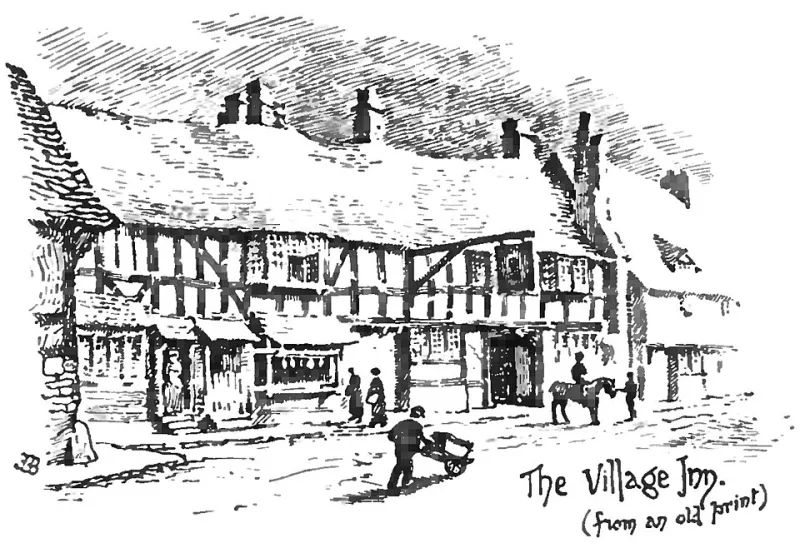
The old post office was not a grand building. It rarely was. In villages like Cowling it might be a room off a shop, a converted front parlour, or a cottage with a bell above the door and a red-painted sign that had seen better weather. Inside there was usually a counter, a set of pigeonholes, a set of scales, a rubber stamp and the particular papery smell of forms, stamps and savings books.
There was often a fire in winter and a queue that was never quite a queue. People stood in a loose line, but they talked. They talked about the weather on the tops, the state of the road, who was in hospital and whose lad had started work. The post office was a place of business, but it was also a place of pause. You went in with a letter and came out with a bit of village news, whether you had asked for it or not.
The bell above the door was the soundtrack. It rang for pension day, for parcels at Christmas, for children sent in with a postal order and strict instructions not to lose it. It rang for the postmistress too, marking the start of another morning of stamps, forms and quiet attention.
The Woman Who Held the Ledger
The role of sub-postmistress was often filled by a woman who was already at the centre of village life. She might be a shopkeeper’s wife, a widow carrying on the family business, or someone who had taken on the post office because it needed doing. It was not simply a job behind a counter. It carried trust.
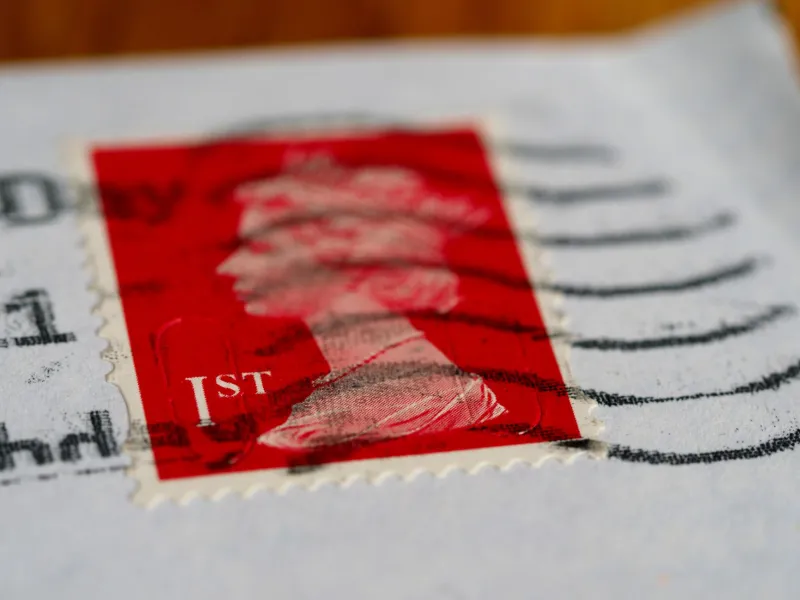
A postmistress handled money that mattered. She paid out pensions and family allowances, took in savings, sold stamps and postal orders, and dealt with licences and forms that could baffle the most confident customer. She had to be careful, patient and discreet. In a small place, discretion was not a luxury. It was essential.
She also had a view of the village that few others had. The official ledgers told one story — names, amounts, dates — but the counter told another. You could see who was managing and who was not. You could see when someone had stopped coming in. You could see when a family was waiting for news. The postmistress did not necessarily act on that knowledge, but she held it carefully, like a letter that had not yet been opened.
Telegrams and the Knock at the Door
Before the telephone reached every home, the telegram was the fastest way to send a message. It was also the one people dreaded. A telegram could bring good news, but in many families it was associated with bad. The knock at the door — whether from the telegraph boy on his bicycle or the postman with a buff envelope — could stop a conversation dead.
The post office was part of that chain. Staff took down the message, counted the words, sent it on and then waited for the reply. Telegrams were short because every word cost money. That brevity gave them a weight of their own. A few lines could change a day, a week, a life.
In Cowling, as elsewhere, the post office was where those messages were handed over the counter or passed to the postman for delivery. The postmistress might know what was in the envelope and still say nothing. That was the job. But she also knew the family it was going to, and she would remember them afterwards.
Pension Day and the Savings Stamp
For many older residents, the post office was a lifeline. Pension day brought a steady trickle of people through the door, some with walking sticks, some with a neighbour for company. The postmistress counted out the money, checked the book and often asked after a husband or a daughter. It was a transaction, but it was also a check-in.
Children came too. Savings stamps were collected in small books, a few coppers at a time, and schoolchildren were sent in to buy them with careful importance. The post office taught a simple lesson: money put by was money saved. It also gave children a first taste of standing at a counter and being treated like a customer.
There were parcels to send, too — birthday presents, jam, knitting, the odd awkward-shaped item wrapped in brown paper and string. The postmistress would weigh it, stamp it and offer a judgement on whether it would survive the journey. She was usually right.
The Window as a Noticeboard
The post office window was never just a window. It was a noticeboard for the village. Cards advertised jumble sales, missing dogs, choir practices and rooms to let. There were official notices about stamps and postal rates, and handwritten ones about meetings and lost gloves. People stopped to read them even if they were not going inside.
In that sense the post office was a kind of newspaper before the newspaper arrived. It carried the small print of village life: dates, times, names and appeals. The postmistress often knew which notice mattered and which had been left up too long. She might even be the one who took it down.
When the Counter Fell Quiet
By 2026, the way we send news has changed almost beyond recognition. Messages arrive in seconds, bills are paid online and pensions are paid into bank accounts. The old counter, with its scales and pigeonholes, has mostly gone. Some village post offices have moved into shops or reduced their hours. Others have closed altogether.
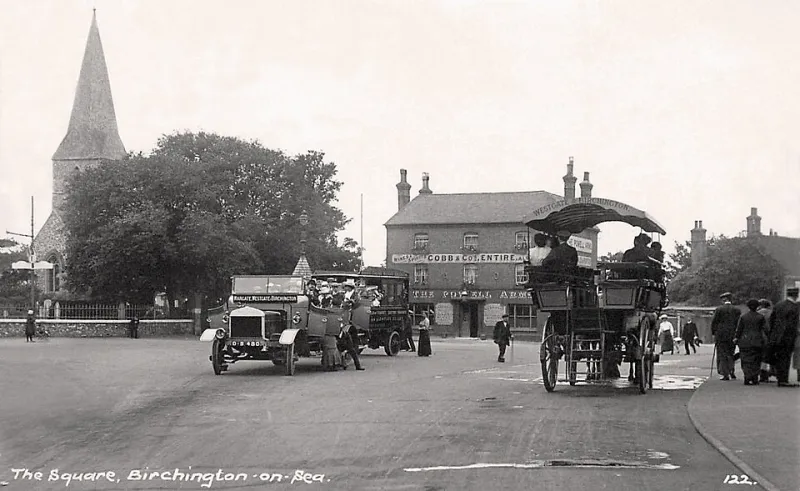
But the memories remain. They survive in photographs of shopfronts, in old savings books kept in drawers, and in the stories people tell about the postmistress who knew everyone. She was not a gossip. She was a keeper of small confidences, a sorter of letters, and a quiet witness to the way Cowling lived.
The counter knew first. It is worth remembering the women who stood behind it.